
Creative Crafts for Kids Using Household Items
Simple materials, big imagination, and meaningful childhood moments
1. Paper Roll Animals: Imagination Comes to Life
Toilet paper rolls are one of the most versatile craft materials. With a few additional items, crayons, scrap paper, glue, children can turn them into animals from their imagination.
What you need:
- Empty paper rolls
- Crayons or washable markers
- Scrap paper for ears, wings, or tails
- Glue or tape
How to do it:
Let your child choose an animal. Encourage them to draw facial features, then glue or tape on paper ears, wings, or tails. A roll becomes a lion, a butterfly, a dinosaur, or even a made-up creature.
What children learn:
This craft builds storytelling and language skills. Ask questions in Spanish such as:
- “Cómo se llama tu animal?”
- “Dónde vive?”
- “Qué come?”

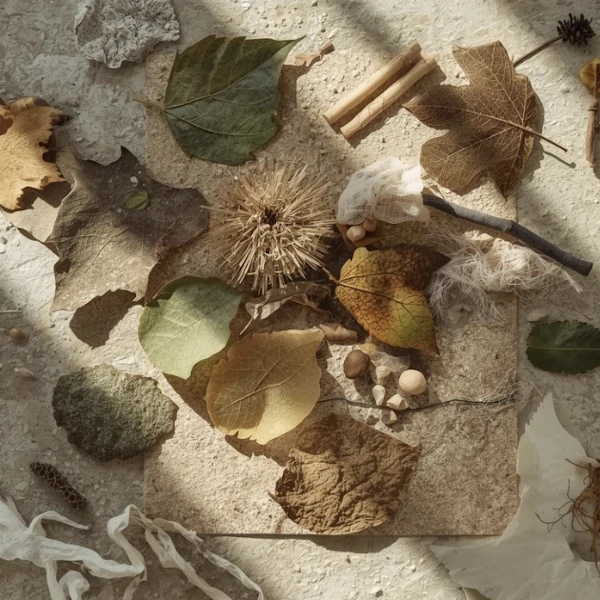
2. Nature Collage: Celebrating God’s Creation
What you need:
- Leaves, petals, twigs, stones
- Cardboard or paper as a base
- Glue (optional)
How to do it:
Why we love this at Semillas:
What children learn:
- Observation and classification
- Fine motor coordination
- A sense of peace and connectedness
3. Sock Puppets: Creativity Meets Emotional Expression
What you need:
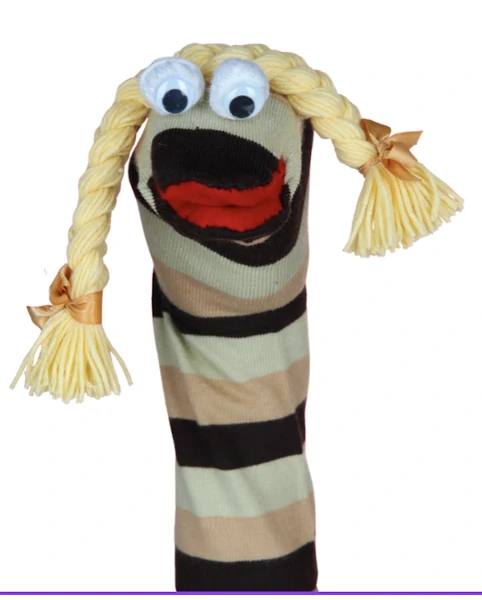
- Clean old socks
- Buttons, yarn, or fabric scraps
- Non-toxic glue
- Markers
How to do it:
Help your child decorate the sock to create a puppet. Then allow them to bring their puppet to life through movement and pretend play.
Why this matters:
At Semillas, we value play as a language. Puppets help children express emotions, practice dialogue, resolve conflicts, and build empathy.
Use it for language development:
- Ask your child, “Qué quiere decir tu títere?”
- Encourage the puppet to have a simple conversation with you in Spanish.
- This turns creativity into a bilingual experience.
4. Recycled Shakers: Music From the Heart
What you need:
- Empty plastic bottles or containers
- Rice, pasta, or beans
- Tape (clear or washi tape)
How to do it:
Fill a container with a small handful of rice or pasta, seal tightly, and decorate if desired. Then invite children to explore rhythms.
Faith-inspired idea:
Sing a gratitude song while shaking the instrument. You can introduce a simple phrase such as:
- “Gracias, Señor, por este día.”
What children learn:
- Rhythm and coordination
- Cause and effect
- Joyful expression through movement
5. Cardboard City: A World Built by Little Hands
What you need:
- Cardboard boxes (big or small)
- Crayons or markers
- Tape
- Toy cars, animals, or figures
How to do it:
Let your child design and build roads, houses, tunnels, or bridges. There is no right way — only the child’s vision.
What children learn:
- Engineering concepts
- Spatial awareness
- Collaboration (if siblings participate)
- Problem-solving
6. Pasta Necklaces: Creativity and Fine Motor Development
What you need:
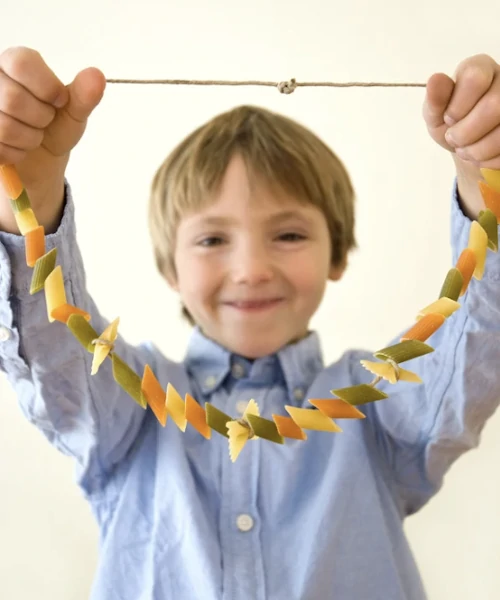
- Uncooked pasta with holes
- Yarn or string
- A tray or bowl
How to do it:
Add bilingual vocabulary:
What children learn:
- Coordination
- Patience
- Early math concepts
7. Paper Plate Masks: Exploring Identity and Expression
What you need:
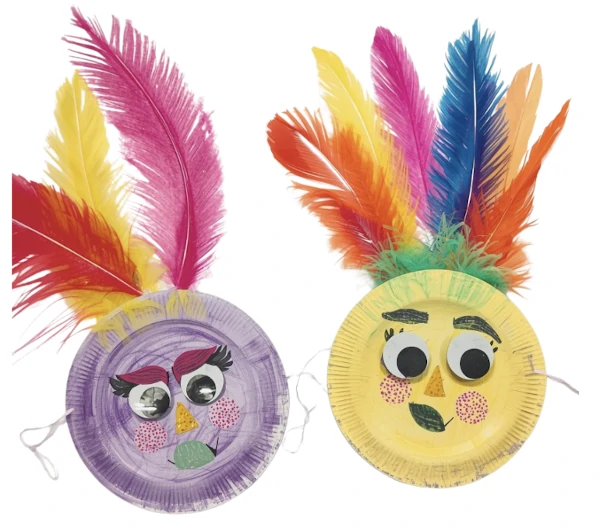
- Paper plates
- Markers, crayons, yarn
- Tape or glue
- Craft sticks (optional)
How to do it:
What children learn:
8. Kitchen Stamp Art: Turning Everyday Items Into Tools
What children learn:
- Forks, sponges, bottle caps, or cut potatoes
- Washable paint
- Paper
How to do it:
What children learn:
- Experimentation
- Cause and effect
- Creativity without limitations
The Heart of Creativity at Semillas
- Materials with meaning rather than distractions
- Process-focused exploration rather than adult-directed outcomes
- Independence and confidence through hands-on work
- Bilingual experiences woven naturally into play
- Faith and gratitude expressed through small rituals
- Connection to nature and community
- Respect for the child’s rhythm, interests, and imagination

