
Fun and Educational Activities for Toddlers at Home
Everyday moments that nurture curiosity, confidence, and connection
At Semillas Preschool, we often remind families of a simple truth: the most meaningful learning does not require elaborate materials. It begins with the child’s natural curiosity and the loving presence of an adult. Toddlers thrive when they feel safe, seen, and invited to explore. Home is the first learning environment, and parents are a child’s first teachers.
As we prepare our school community for opening, many families ask us for ideas they can use at home that reflect the spirit of Semillas, activities that honor childhood, encourage independence, and gently introduce foundational skills through play. This guide shares activities inspired directly by our curriculum, which is built around exploration, purpose, bilingual language development, faith, and the belief that children grow at their own beautiful rhythm.
1. Sensory Exploration: Discovering God’s World Through Touch and Wonder
In our Semillas curriculum, sensory play is part of the Exploration and Discovery strand. It supports early brain development and helps children regulate their emotions. At home, you can recreate simple versions of the sensory invitations we design at school.
Rice or Pasta Bin: A Mini Discovery Table Fill a shallow container with uncooked rice or pasta. Add spoons, small bowls, or natural elements like shells or pinecones.
How this connects to Semillas: In our classrooms, we encourage children to slow down and observe textures, temperatures, and sounds. We often introduce Spanish vocabulary naturally during exploration.
Water Play with Purpose Offer a bowl of water with cups, sponges, and a ladle.
How this connects to Semillas: Water play supports the self-regulation and calming rhythms we value in our daily routines. Children learn cause and effect, while practicing independence and concentration.

Nature Basket: The Gospel of Wonder Go on a short walk and collect leaves, stones, and petals. Place them in a small basket for your toddler to explore.
How this connects to Semillas: We teach children to see God’s beauty in creation. Nature baskets are a way to slow down, observe, and express gratitude for the world.
Skills nurtured: sensory processing, coordination, early math concepts, bilingual vocabulary
How this connects to Semillas: We teach children to see God’s beauty in creation. Nature baskets are a way to slow down, observe, and express gratitude for the world.
Skills nurtured: sensory processing, coordination, early math concepts, bilingual vocabulary
2. Language Moments: Building Bilingual Communicators Through Connection
Language development is at the heart of our mission. As a Spanish immersion school, we teach Spanish in meaningful ways — through songs, routines, storytelling, and warm interactions. Parents can bring this same spirit into the home.
Picture Walks Before Reading
¿Before reading a book, explore the pictures together. Ask questions like:
- What do you think the book is about?
- How do you think the characters are feeling? Why?
How this connects to Semillas:
This is a ritual we use to build comprehension and early literacy without pressure. Toddlers begin to understand sequence, characters, and emotions long before they can read.
This is a ritual we use to build comprehension and early literacy without pressure. Toddlers begin to understand sequence, characters, and emotions long before they can read.
Song Baskets: Music as a Bridge Between Languages Create a basket with little objects that represent songs. A toy star can bring “Estrellita Dónde Estás,” and a felt sun can invite “Sol Solecito.”
How this connects to Semillas:
Music is part of our Language and Expression Strand because it supports rhythm, memory, and bilingual vocabulary. Toddlers learn through repetition and delight, not memorization.
Music is part of our Language and Expression Strand because it supports rhythm, memory, and bilingual vocabulary. Toddlers learn through repetition and delight, not memorization.
3. Early Math Through Meaningful Play: Counting the Moments That Matter
Math at Semillas is rooted in play. We avoid formal instruction at this age and focus on experiences that build foundational thinking.
Sorting Station
Use muffin tins or bowls to sort socks, blocks, buttons, or nature objects.
Use muffin tins or bowls to sort socks, blocks, buttons, or nature objects.
How this connects to Semillas:
Sorting is a cognitive milestone we observe closely because it shows a child is beginning to categorize the world. It also supports bilingual math vocabulary like:
Sorting is a cognitive milestone we observe closely because it shows a child is beginning to categorize the world. It also supports bilingual math vocabulary like:
- “Igual,” “diferente,” “grande,” “pequeño.”
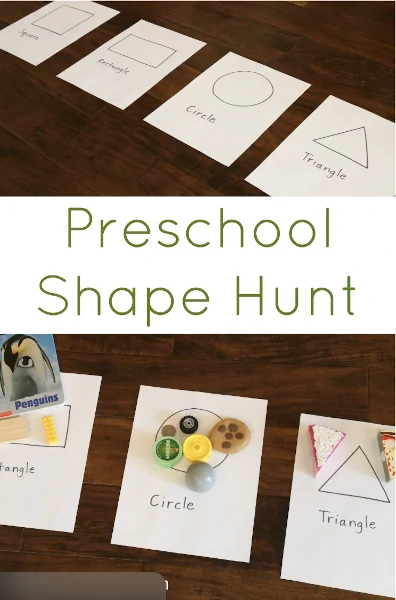
Shape Hunt Around the House
Point out shapes in everyday objects. “La ventana es un rectángulo.” “Tu plato es un círculo.”
Point out shapes in everyday objects. “La ventana es un rectángulo.” “Tu plato es un círculo.”
How this connects to Semillas:
We introduce shapes through real objects rather than worksheets. Children learn best when shapes have meaning and context.
We introduce shapes through real objects rather than worksheets. Children learn best when shapes have meaning and context.
How this connects to Semillas:
We introduce shapes through real objects rather than worksheets. Children learn best when shapes have meaning and context.
We introduce shapes through real objects rather than worksheets. Children learn best when shapes have meaning and context.
Snack Counting
Count crackers or berries together before eating.
Count crackers or berries together before eating.
How this connects to Semillas:
We make math joyful and practical. Snack time is one of the moments when math becomes naturally meaningful.
We make math joyful and practical. Snack time is one of the moments when math becomes naturally meaningful.
4. Creative Arts: Expression Without Expectation
In our curriculum, the Arts and Creativity Strand emphasizes process over product. Toddlers learn through experimentation, not through creating something pretty for adults.
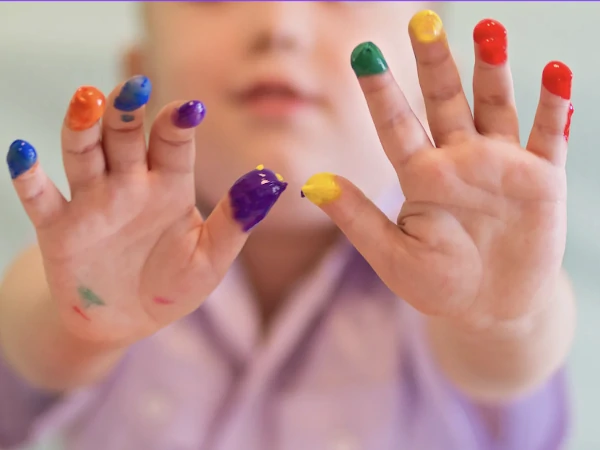
Finger Painting with Natural Ingredients
Use yogurt mixed with natural colors like beet juice or turmeric.
Use yogurt mixed with natural colors like beet juice or turmeric.
How this connects to Semillas:
We value materials that are safe, gentle, and sensory-rich. Children express emotions freely and develop confidence in their abilities.
We value materials that are safe, gentle, and sensory-rich. Children express emotions freely and develop confidence in their abilities.
Sticker Wall
Place a large sheet of paper on a low wall and offer stickers.
Place a large sheet of paper on a low wall and offer stickers.
How this connects to Semillas:
Vertical art promotes shoulder strength, wrist stability, and independence — key foundations for early writing.
Vertical art promotes shoulder strength, wrist stability, and independence — key foundations for early writing.
Loose Parts Collage
Offer cotton pads, ribbon pieces, leaves, buttons, or cardboard. Let your child arrange and glue freely.
Offer cotton pads, ribbon pieces, leaves, buttons, or cardboard. Let your child arrange and glue freely.
How this connects to Semillas:
We use loose parts daily because they promote problem-solving and imagination. There is no right or wrong, only exploration.
We use loose parts daily because they promote problem-solving and imagination. There is no right or wrong, only exploration.
5. Gross Motor Play: Movement as Learning
Movement is central to our Physical Development Strand. Toddlers need repetition, freedom, and safe challenges to build coordination and confidence.
Cushion Obstacle Course
Create a soft course for climbing, crawling, and jumping.
How this connects to Semillas:
Our play spaces are designed to invite risk-taking in a safe and intentional way. Parents can recreate this sense of adventure at home.
Create a soft course for climbing, crawling, and jumping.
How this connects to Semillas:
Our play spaces are designed to invite risk-taking in a safe and intentional way. Parents can recreate this sense of adventure at home.
Animal Walks
Hop like a bunny. Stomp like an elephant. Crawl like a bear.
How this connects to Semillas:
Imaginative movement strengthens language, motor planning, and social emotional development.
Hop like a bunny. Stomp like an elephant. Crawl like a bear.
How this connects to Semillas:
Imaginative movement strengthens language, motor planning, and social emotional development.
Balloon Play
Balloons move slowly enough for toddlers to track and hit.
How this connects to Semillas:
We often use light, slow-moving objects in our motor activities to help children develop timing and coordination.
Balloons move slowly enough for toddlers to track and hit.
How this connects to Semillas:
We often use light, slow-moving objects in our motor activities to help children develop timing and coordination.
6. Practical Life: Confidence Through Real Work
This strand reflects our belief that toddlers are capable contributors. When we give children real responsibilities, they gain independence, pride, and motor skills.
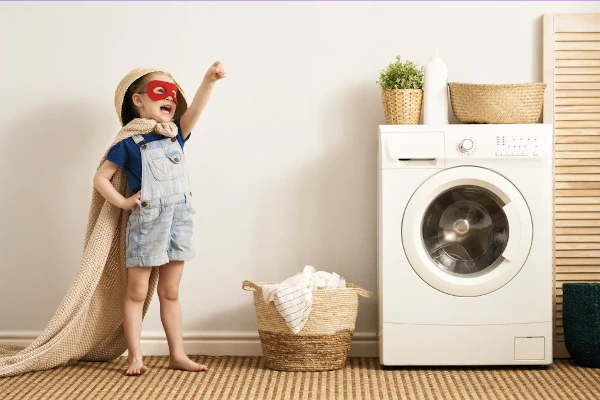
Folding Washcloths
Even if the folds are imperfect, the sense of mastery is real.
Even if the folds are imperfect, the sense of mastery is real.
Sweeping Crumbs
Use a toddler-sized broom to sweep after snack time.
Use a toddler-sized broom to sweep after snack time.
Watering Plants
Let your child check which plants need water.
Let your child check which plants need water.
Simple Food Preparation
Toddlers can peel bananas, wash fruit, or help spread soft cheese.
Toddlers can peel bananas, wash fruit, or help spread soft cheese.
How this connects to Semillas:
These activities reflect our Montessori influences and our emphasis on purposeful work. They build concentration, responsibility, and self-confidence — essential qualities for future learning.
These activities reflect our Montessori influences and our emphasis on purposeful work. They build concentration, responsibility, and self-confidence — essential qualities for future learning.
7. Faith Moments at Home: Planting Seeds of Love and Gratitude
As a Catholic preschool, faith is integrated in gentle, developmentally appropriate ways. We introduce toddlers to gratitude, kindness, and the idea that they are loved deeply by God.
Simple Meal Blessings
Toddlers thrive on repetition. Use a short prayer before meals.
Prayer Corner
Create a small sacred space with a battery candle, a cross, or a children’s Bible.
Toddlers thrive on repetition. Use a short prayer before meals.
Prayer Corner
Create a small sacred space with a battery candle, a cross, or a children’s Bible.
Kindness Ritual
Before bed, invite your toddler to “send love” to someone. This supports empathy and emotional expression.
How this connects to Semillas: Our faith curriculum focuses on belonging, compassion, and wonder, not memorization. Home rituals reinforce these values.
Before bed, invite your toddler to “send love” to someone. This supports empathy and emotional expression.
How this connects to Semillas: Our faith curriculum focuses on belonging, compassion, and wonder, not memorization. Home rituals reinforce these values.
8. Outdoor Play: Where Learning Comes Alive
When we open Semillas, our outdoor space will be an extension of the classroom. Nature is the perfect environment for toddlers to test abilities, explore beauty, and grow socially.
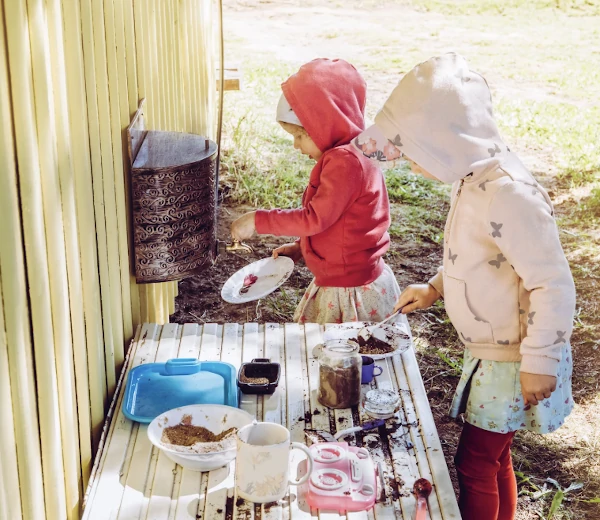
Mud Kitchen
Use old pots, spoons, and dirt to create imaginative recipes.
Use old pots, spoons, and dirt to create imaginative recipes.
Color Hunt Walk
Choose a color and search for objects that match.
Choose a color and search for objects that match.
Shadow Play
Trace your shadow. Try to “catch” it. Notice how it changes.
Trace your shadow. Try to “catch” it. Notice how it changes.
How this connects to Semillas:
Our curriculum sees nature as a teacher. Outdoors, toddlers develop resilience, curiosity, and peace.
Our curriculum sees nature as a teacher. Outdoors, toddlers develop resilience, curiosity, and peace.
9. Keeping Play Simple and Meaningful
One message we always share with families is this: Toddlers do not need more toys. They need more opportunities to explore with intention.
Our Semillas principles at home:
These are the same principles that guide our classrooms.
- Follow the child’s interests.
- Offer open-ended materials.
- Model wonder and curiosity.
- Create calm spaces and predictable rhythms.
- Celebrate effort rather than achievement.
These are the same principles that guide our classrooms.
Final Thoughts: Home and School Working Together
At Semillas Preschool, we believe that learning begins long before a child walks into their first classroom. Your home routines, your presence, your language, and your rituals shape the foundation of who your child will become.
These activities are not meant to fill your day with tasks. Rather, they are invitations to slow down, connect, and notice the beauty in your child’s growth. Every moment, a shared song, a nature walk, a messy exploration, helps your toddler develop skills that will support them socially, emotionally, physically, cognitively, and spiritually.
We cannot wait to welcome your family into our community. Until then, we hope these ideas bring joy, peace, and purpose to your days at home.
References
- Gascoyne, S. (2016). Sensory play: Playful learning in the early years. Jessica Kingsley Publishers.
- Perry, B. D. (2002). Childhood experience and the expression of genetic potential: What childhood neglect tells us about nature and nurture. Brain and Mind, 3(1), 79–100
- Tierney, A. L., & Nelson, C. A. (2009). Brain development and the role of experience in the early years. Zero to Three, 30(2), 9–13.

