
Infant Tummy Time Guide: How to Help Your Baby Build Strength from Day One
Building Strong Bodies Through Love and Play
From the moment a baby is born, their tiny movements begin building the foundation for every milestone ahead, rolling, crawling, sitting, and walking. One of the simplest and most powerful ways to support that growth is through tummy time.
At Semillas Preschool, we see tummy time not just as exercise, but as a moment of connection. When babies lift their heads to meet your eyes or stretch toward a toy, they are strengthening muscles and relationships — the roots of confidence and discovery.
At Semillas Preschool, we see tummy time not just as exercise, but as a moment of connection. When babies lift their heads to meet your eyes or stretch toward a toy, they are strengthening muscles and relationships — the roots of confidence and discovery.
Why Tummy Time Matters
According to child development research and the Semillas Development Domains (6–36 months), motor and cognitive skills grow together. When babies push up, look around, or reach for objects, they are learning how to coordinate their bodies, focus their attention, and explore cause and effect.
Benefits of Tummy Time:
- Strengthens neck, shoulder, and back muscles
- Prevents flat spots on the back of the head
- Improves hand-eye coordination
- Encourages sensory exploration
- Builds early confidence and curiosity
At Semillas, tummy time is woven naturally into each baby’s daily rhythm — a joyful blend of movement, language, and loving interaction.
When to Start
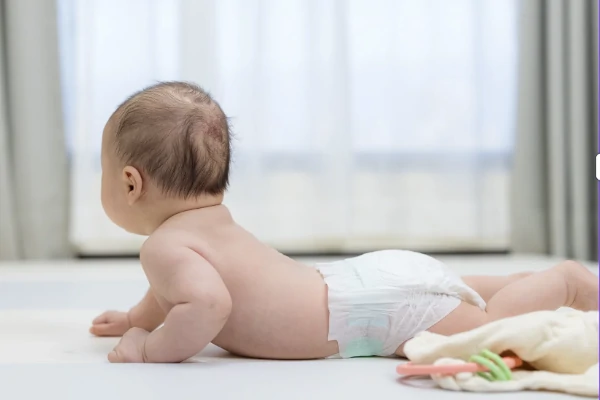
You can begin tummy time from day one, starting with short, gentle sessions of 2–3 minutes several times a day. Gradually increase the time as your baby grows stronger. By around three months, most babies enjoy 20–30 minutes spread throughout the day.
Even a few minutes on their tummy helps your baby develop key gross motor skills, a foundation highlighted in our Physical Development domain for ages 6–18 months.
Even a few minutes on their tummy helps your baby develop key gross motor skills, a foundation highlighted in our Physical Development domain for ages 6–18 months.
How to Do Tummy Time Safely
1. Choose the Right Surface
Lay your baby on a firm, flat, and safe surface — like a soft blanket or playmat on the floor. Avoid couches or beds where they could sink or roll.
2. Get Down to Their Level
Babies love faces. Lie down in front of them, make eye contact, and talk or sing. Your face becomes their favorite motivation to lift their head and look up.
3. Start Small and Often
Begin with 1–2 minutes at a time, several times a day. As your baby grows stronger, extend sessions gradually. Consistency matters more than duration.
4. Add Toys and Language
Place a small mirror, rattle, or colorful toy within reach. At Semillas, teachers describe everything they see in both English and Spanish:
This mix of movement and language supports both physical and cognitive development.
- “¡Mira el osito! Look at the bear!”
- “You’re lifting your head so high — ¡qué fuerte!”
This mix of movement and language supports both physical and cognitive development.
5. Comfort Matters
If your baby fusses, that’s okay! Try tummy time on your chest while you recline. The familiar rhythm of your breathing and heartbeat helps your baby feel safe.
Tummy Time at Semillas: How We Support Each Stage
At Semillas Preschool, we adapt tummy time to each developmental phase, using gentle encouragement, sensory materials, and bilingual interaction. Here’s how it looks across the first year:
0–3 Months: Discovery and Bonding
Our caregivers spend much of this stage holding babies close or placing them gently on soft mats for a few minutes at a time. Teachers talk to infants in soothing tones, using phrases like:
This early encouragement supports trust and body awareness, the foundations of our Health and Well-being domain.
- “Estás empujando con tus brazos — you’re pushing up!”
- “¡Qué fuerte eres!” (You’re so strong!)
This early encouragement supports trust and body awareness, the foundations of our Health and Well-being domain.
3–6 Months: Building Strength and Confidence
As babies gain control of their head and arms, tummy time becomes more playful. We introduce:
Teachers sing and move alongside babies, helping them lift their heads higher and begin to pivot. These sessions blend Fine Arts (music and rhythm) with Physical Development — a reflection of our belief that movement and creativity grow together.
- Mirrors to encourage self-recognition
- Textured fabrics to explore through touch
- Soft, high-contrast toys to reach for
Teachers sing and move alongside babies, helping them lift their heads higher and begin to pivot. These sessions blend Fine Arts (music and rhythm) with Physical Development — a reflection of our belief that movement and creativity grow together.
6–9 Months: Reaching, Rolling, and Exploration
Babies in this stage are ready for adventure! During tummy time, we provide opportunities to reach, roll, and push up onto hands and knees. Teachers encourage exploration with simple prompts:
Each small effort builds gross motor strength, coordination, and problem-solving — milestones highlighted in our Cognitive and Motor Domains.
- “¿Puedes alcanzar la pelota roja?”
- (“Can you reach the red ball?”)
Each small effort builds gross motor strength, coordination, and problem-solving — milestones highlighted in our Cognitive and Motor Domains.
9–12 Months: Crawling Toward Independence
By this stage, many babies begin rocking on hands and knees or crawling short distances. At Semillas, teachers create obstacle paths with pillows and tunnels to make movement fun.
As children explore, teachers use parallel talk — narrating what they see in both languages:
“You’re crawling under the tunnel — debajo del túnel!”
These joyful discoveries connect language, motion, and memory, preparing children for standing, walking, and later PreK exploration.
“You’re crawling under the tunnel — debajo del túnel!”
These joyful discoveries connect language, motion, and memory, preparing children for standing, walking, and later PreK exploration.

Faith and Family: Extending Learning at Home
At Semillas, we believe every moment of care — from feeding to tummy time — is a way to express love and gratitude. Families are encouraged to continue these experiences at home. Try:
- Singing short Spanish lullabies like “Duérmete mi niño” during tummy time.
- Placing a family photo nearby so your baby sees familiar faces.
- Ending each session with a blessing or prayer of thanks for their growth and health.
Our teachers often remind families that patience and joy matter more than duration. Every small moment of effort is a celebration of life and development — a sacred part of your baby’s journey.
Common Questions
What if my baby doesn’t like tummy time?
That’s very common! Try tummy time on your chest, or position them on your lap. Gradually transition to the floor as they gain confidence.
How do I know if my baby is ready for longer sessions?
When they can hold their head up for several seconds without frustration, increase each session slowly.
Can I do tummy time after feeding?
Wait about 10–15 minutes after feeding to avoid discomfort.
How much tummy time is enough?
Aim for about 1 hour total per day by the time your baby is 3 months old — broken into short, playful sessions.
At Semillas Preschool: Our Promise
At Semillas, tummy time is part of something bigger — a holistic approach to nurturing body, mind, and spirit. Through gentle guidance, Spanish immersion, and faith-centered care, our infants build the strength and confidence that will support every future milestone.
We believe every stretch, smile, and gaze upward is an act of growth — a small but sacred step toward becoming the unique person God created them to be.
We believe every stretch, smile, and gaze upward is an act of growth — a small but sacred step toward becoming the unique person God created them to be.
References
- American Academy of Pediatrics. Back to Sleep, Tummy to Play.
- CDC. Learn the Signs. Act Early.
- WHO. Nurturing Care Framework for Early Childhood Development.
- Zero to Three. Building Strong Foundations Through Movement.
- Semillas Preschool Curriculum: Development Domains 6–36 Months.

